
Stop Holding It All Together and Finally Breathe
Integrative Somatic Therapy to Help Mums Step Out of Survival Mode
Heal Your Nervous System, Reclaim Your Life!
Your family. Your home. Your identity. When you try to balance it all, your body is the thing that carries the stress. The 3-part Integrated Self Framework (ISF) is designed to help you juggle everything in a calm and grounded way. It bridges deep, one-to-one therapy with real-world, manageable practices. Together, we safely process childhood wounds and release stored trauma. At the same time, you will learn to use somatic yoga movement and postures to use during nap times to calm your nervous system, EFT tapping when overwhelmed, and parts work therapy to understand and work through your daily reactions. You can finally quiet the pressure to be perfect and build a true foundation of lasting inner calm.

Are You Tired Of Just Surviving?
From the outside, you look like you have it all under control. But beneath the surface, the pressure to keep everything together is leaving you utterly exhausted.
That constant weight isn't just in your head, it is physically trapped in your nervous system. The chronic anxiety, relentless perfectionism, and unexplained physical pain you are experiencing are your body's way of screaming for a break.
Our one-to-one sessions are designed to help you gently release this stored trauma. By combining psychological insight with somatic practices, we will calm your overactive nervous system and dismantle the survival mode that keeps you running on empty.
You don't have to carry the load alone anymore. It is time to step out of a state of high alert, feel deeply supported, and finally settle into a life of genuine inner peace.

From Overwhelmed and Disconnected to Grounded and Whole
Right now, your mind is racing, your body is in pain, and you are trying to think your way out of trauma. The Integrated Self Framework helps you drop below the noise of your thoughts and into the safety of your body.
Together, we untangle the complex connection between your anxiety, your perfectionism, and your physical symptoms. You will move from:
- Living in a state of high alert to processing triggers with calm clarity.
- People-pleasing to confidently setting boundaries and getting your needs met.
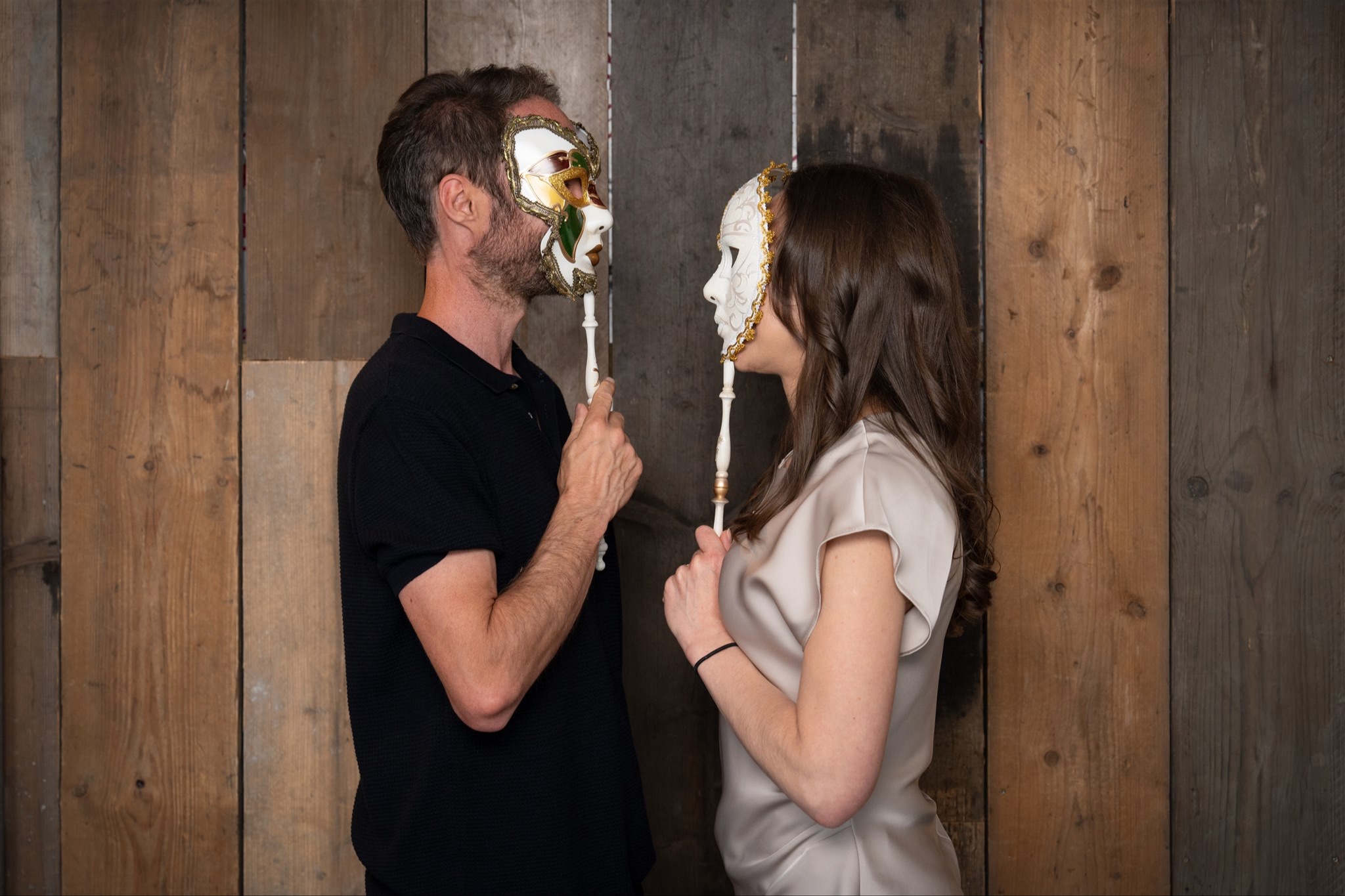
- Hiding behind a mask to feeling safe enough to show up as your honest, true self.
Who Are These Sessions For?
Unresolved trauma doesn't just stay in the past, it gets stuck directly in the body’s nervous system, disrupting your daily life. If you are experiencing any of the following symptoms, my sessions are designed to help you treat the root cause of your symptoms, and safely reconnect you with yourself:
- Chronic Body Tension: Living with unexplained muscle tightness, frequent headaches, or ongoing digestive issues like IBS.
- Constantly in Survival Mode: Feeling perpetually hyper-vigilant, easily startled, or anxious without a clear reason.
- Exhaustion and Brain Fog: Struggling with constant fatigue, memory gaps, or an inability to focus because your brain is always on guard.
- Sleep Disruptions: Experiencing regular insomnia or distressing, vivid nightmares that disrupt your rest.
- Emotional Turbulence: Moving unpredictably between feeling completely numb and experiencing sudden, overwhelming emotional reactions.
- The Control Loop: Relying heavily on perfectionism, over-planning, or people-pleasing to create a false sense of safety.
- Strained Connections: Facing persistent trust issues, an impulse to isolate, or a rigid hyper-independence that prevents you from asking for help.
- Escapism and Avoidance: Steering clear of specific triggers or using substances and overwork to numb uncomfortable feelings and sensations in the body.
Who Are These Sessions Not For?
Healing the root-cause of your symptoms through somatic practices requires a specific level of readiness and stability. To ensure your safety and the effectiveness of this work, these sessions are not a good fit if you fall into any of the following categories:
- Seeking a Quick Fix: You are looking for a rapid, one-time cure rather than committing to the deeper, gradual process of nervous system regulation.
- Wanting Traditional Talk Therapy: You prefer purely intellectualising, analysing, or talking about your past, rather than exploring how trauma is physically held in the body.
- In Active Crisis: You are currently experiencing acute psychiatric emergencies, active psychosis, severe substance addiction, or immediate self-harm risks that require intensive, specialised medical intervention.
- Lacking a Baseline Safety Net: You do not have a stable day-to-day living environment or an external support system to help you process the deep emotional shifts that arise between sessions.
- Externalising the Healing: You are looking for a practitioner to "fix" you, rather than entering a collaborative partnership where you take active ownership of your healing journey.

How Our Sessions Work?
Traditional approaches often talk about the problem, which only manages the surface-level symptoms. In our work together, we target the root cause where the trauma is stored:
- Releasing the Body: We gently access the stored physical imprints to clear the chronic survival responses trapped in your muscles and nervous system.
- Clearing the Symptoms: By resolving the core emotional and somatic blockages, the daily symptoms of anxiety, fatigue, and triggers naturally begin to fade away.
- Reclaiming Vitality: Moving out of survival mode so you can return to a state of internal safety, clarity, and ease.
If you are ready to stop just managing your symptoms and want to start releasing the trauma stuck in your body, let’s work together to restore your nervous system to a state of safety, clarity, and ease.

The Integrated-Self Framework: Why Talk Therapy Isn't The Solution For Exhausted Women
You cannot think or talk your way out of burnout, anxiety, or perfectionism. We need to stop intellectualising our healing and start feeling it. Traditional talk therapy focuses only on your mind (top-down) but trauma, stress, and childhood wounds are actually stored in your body as physical tension, shallow breathing, and a constantly on-alert nervous system.
When you get triggered today, your body reacts automatically—instantly sending you into survival mode before your brain can even process why.
The Integrated Self Framework (ISF) bridges this gap. By combining talk therapy with somatic tools, we clear the stress from both your mind and your physical body.
The 3-Part Journey to Reclaiming Your Body
- What we do: We pair traditional therapy with trauma-informed yoga and breathwork.
- The Outcome: You will learn to slow down, read your body's subtle stress signals, and safely soothe your nervous system when anxiety spikes.
- What we do: We use Parts Work Therapy to gently explore your perfectionism, early childhood wounds, and unmet needs.
- The Outcome: Instead of fighting your inner critic, you will understand why these defensive patterns developed, allowing you to soften your self-judgment and build real self-love.
- What we do: We use the Emotional Freedom Technique (EFT/Tapping) to safely process and clear stored emotional memories.
- The Outcome: You physically release the old trauma driving your chronic pain and hyper-vigilance. The things that used to trigger an immediate panic or people-pleasing reaction will simply lose their power over you.
The Ultimate Outcome: Life Beyond Survival Mode
- Deep physical relief as your muscles unwind and your body finally feels like a safe, peaceful place to live.
- Unshakable boundaries that allow you to say "no" without guilt, speak your truth vulnerably, and get your own needs met.
- Grounded resilience to navigate life’s chaos with a calm, present mind, rather than reacting from a place of past pain.
Ready to finally feel safe, supported, and at home in your own skin?
Take the first step toward releasing the stored trauma, anxiety, and perfectionism keeping you stuck. Book onto Our Introductory Psychotherapy session today!


I’M FIONA.
An Integrative Psychotherapist, Trauma Informed Yoga Teacher and Co-Founder of Re-Younify.
My fascination with how trauma affects the body began during my training as a Kundalini yoga teacher. Kundalini, often called the Yoga of Awakening, blends kriyas, breathwork, mantra, mudra, meditation, and mindful movement to awaken dormant energy at the base of the spine. Unlike other styles of yoga that emphasise postures alone, Kundalini Yoga aims to activate and circulate energy through the chakras, expanding awareness, calming the nervous system, and shifting consciousness. During this time, I became aware of how trauma stays stuck in the body and wanted to learn and understand more about how trauma is both psychological and somatic.
In my work as a trauma‑informed yoga teacher, I learned that responses to trauma stay stuck in the body long after the initial traumatic event. Our bodies and minds often continue to react as if the threat is still there. I came to see that healing involves more than recounting the story—it requires addressing how the body holds onto and expresses trauma.
This understanding deepened with my study of Emotional Freedom Techniques (EFT), which suggests that present‑day triggers are linked to past unhealed memories stored in the body. By tapping on acupressure points while recalling traumatic memories, we can calm physical responses and reduce reactivity.
As an integrative psychotherapist, I also become fascinated by parts work—the awareness that different aspects of ourselves show up at different times. I realised these parts often reflect childhood trauma and recognising them helps us return to self‑energy and respond more calmly to current life situations.
This led me to understand that we all use adaptive strategies to protect us from past pain and that these strategies are not always helpful and often keep us stuck.
In our one-to-one sessions, I use the Integrated Self Framework to address these past wounds and adaptive strategies so that you can heal past pain and free yourself from these protective patterns of behaviour. Over time, by working with the Integrated Self Framework you will experience a more connected, intimate, authentic relationship with yourself and others.
If you’re ready to start your healing journey, I invite you to book an Introductory Session with me today!
Book Your Introductory Session With Me
Qualifications and Credentials
Integrative Psychotherapy Diploma – Holistic Healing College London
Trauma Informed Yoga Teacher Certificate 100 hours - Trauma Therapy Manchester
Frank Anderson’s Internal Family Systems Trauma Treatment Program: A 4-Month Online Intensive - PESI UK
Certificate Programme in Women’s Trauma - PESI UK
Integrative Sex and Couples Certification Training Level 1 - PESI UK
Life Coaching Certificate - Holistic Healing College London
Trauma Sensitive Yoga Certificate - Trauma Therapy Manchester
Kundalini Yoga Teacher 220 hours Certificate - KRI
Nutritional Therapy Certificate Level 5 - The Health Science Academy
EFT Level 1 and 2 training - Holistic Training and Therapies
Get Over Shit and be Happy - Self-Paced Online Course in Radical Honesty
Comprehensive Internal Family System Therapy Course – PESI UK
Intimacy from the Inside Out a 6-month online program exploring how Internal Family Systems (IFS) can be applied to relationships – IFS Institute
Golden Spine 9 Chi Kung - Holistic Healing College London
Deb Dana’s Polyvagal-Informed Practitioner Online Course: Proven Interventions to Guide Clients Towards Safety and Connection – PESI UK
Soul Plan Therapy - Holistic Healing College London
Soul Transformational Therapy - Holistic Healing College London

Noella
Guide touristique
"Thank you Fiona for our wonderful session. It was deep and not easy for me. Fiona is very kind, a good listener and respectful. She knew how to guide me through hard moments. I’m feeling relived"

Georgia
Women's Coach
"When I came to Fiona I was feeling quite stuck and a bit low, and even though I know several “healing tools” nothing seemed to help me move through it. With Fiona’s compassionate support, great listening skills and holistic somatic approach, I felt a real shift! And after our sessions, I felt my energy lighten and increase. I have found myself feeling and being more intentionally productive, choosing what feels right for me to do, instead of trying to do it all at once and getting stuck!I highly recommend working with Fiona!!"

Sally
Yoga Therapist
"Thank you so much Fiona for our session. It was really helpful! I felt really heard, much calmer at the end of it and had some practical takeaways to carry forward in my busy life where I often lean towards feeling overwhelmed, taking me away from the present moment. I would not hesitate recommending Fiona."
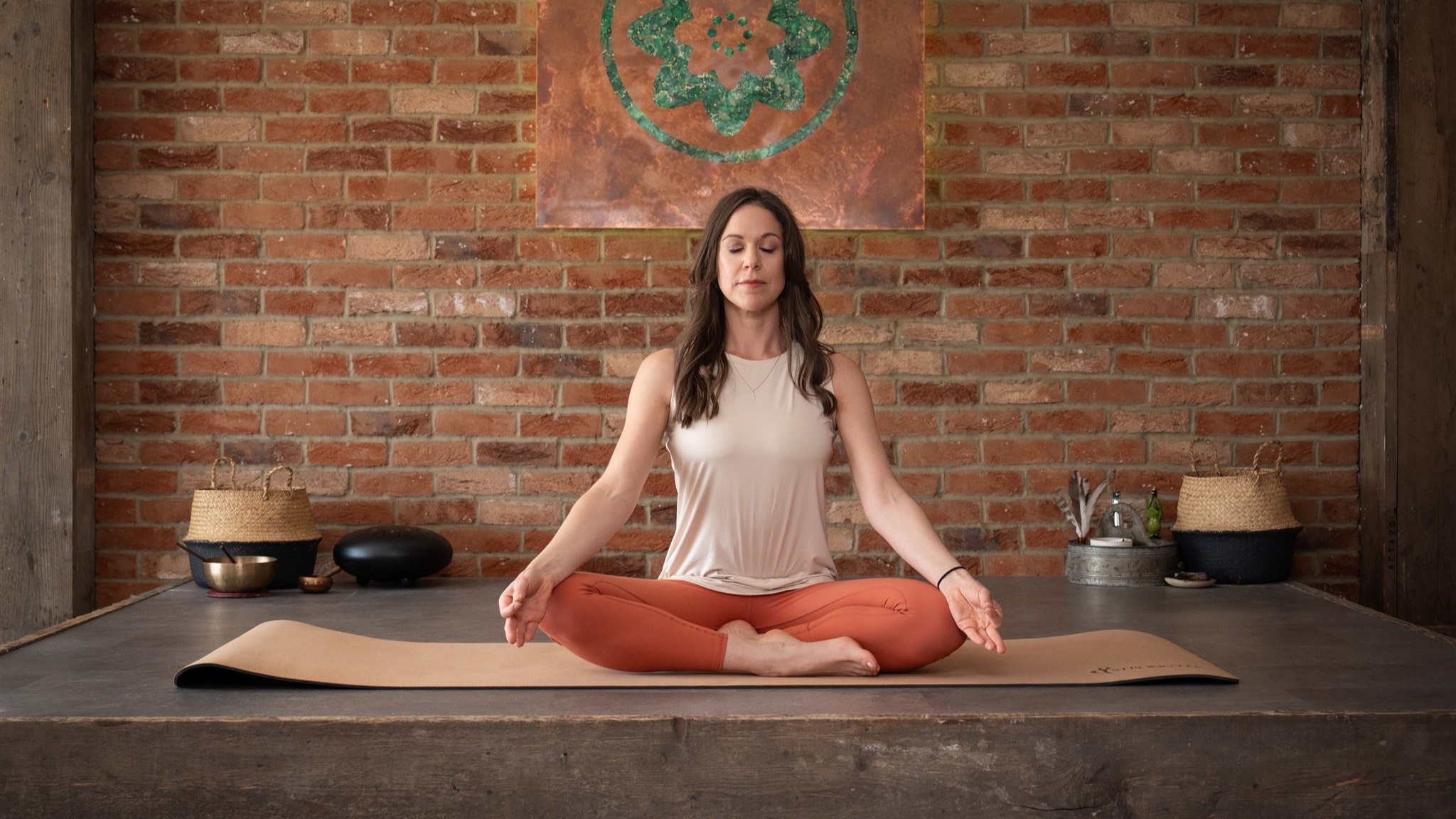
Introductory Session with Fiona
Introductory Session with Fiona (60 Mins). Take your first step toward healing in a safe, confidential, and pressure-free space. In this 60-minute session, we will: Explore your hopes for therapy and current struggles. Examine how your early life is shaping your present experience. Create a plan to move forward using the Integrated Self Framework. There is absolutely no pressure to commit to further sessions. This space is entirely yours. £80 Only £40 (Save 50% on your first session)
Not Ready To Book Just Yet?
Scroll Down To See Exactly How The Integrated Self Framework Works.
RE-ROOT - MOVEMENT AND BREATH
These one-to-one sessions incorporate Trauma Informed Yoga and Breathwork practices with Psychotherapy to help establish a sense of safety in the body.
Trauma informed yoga blends traditional postural yoga with the modern understanding of how the nervous system works.
You’ll practice gentle, body-focused exercises that help you notice sensations, stay present, and regulate your breath.
Somatic psychology recognises the complex interactions between our mind, emotions, physiology, and behaviour and how these factors combine to shape our sense of self.
By incorporating principles from somatic psychology, we emphasise the mind–body connection and invite you to observe your experiences with curiosity and self-compassion.
The goal isn’t to “fix” you or eliminate symptoms, but to increase your sense of choice in the present moment and deepen your understanding of how your emotions and body sensations influence the meaning that you make about your life story.
As you become more aware of how your body sensations and emotions are connected to what you think and do, you will start to develop a stronger sense of your authentic self.
Practices like mindful breathing and yoga-friendly moves can also support a deeper sense of safety and resilience as you work through difficult memories.
Trauma can leave a lasting imprint on the body, even when thoughts feel okay. After a traumatic event, the body can hold onto tension in areas like the jaw, neck, chest, belly, or hips, and breathing can become shallow or irregular.
In somatic work, we learn to notice these sensations with curiosity and gentleness, helping the nervous system relax and re‑educating the body towards safety and resilience.
Many people find this approach helps reduce hypervigilance, improves mood, and helps foster a felt sense of safety and connection, all at a pace that honours your own unique journey.

RE-CONNECT - LISTEN AND VALIDATE
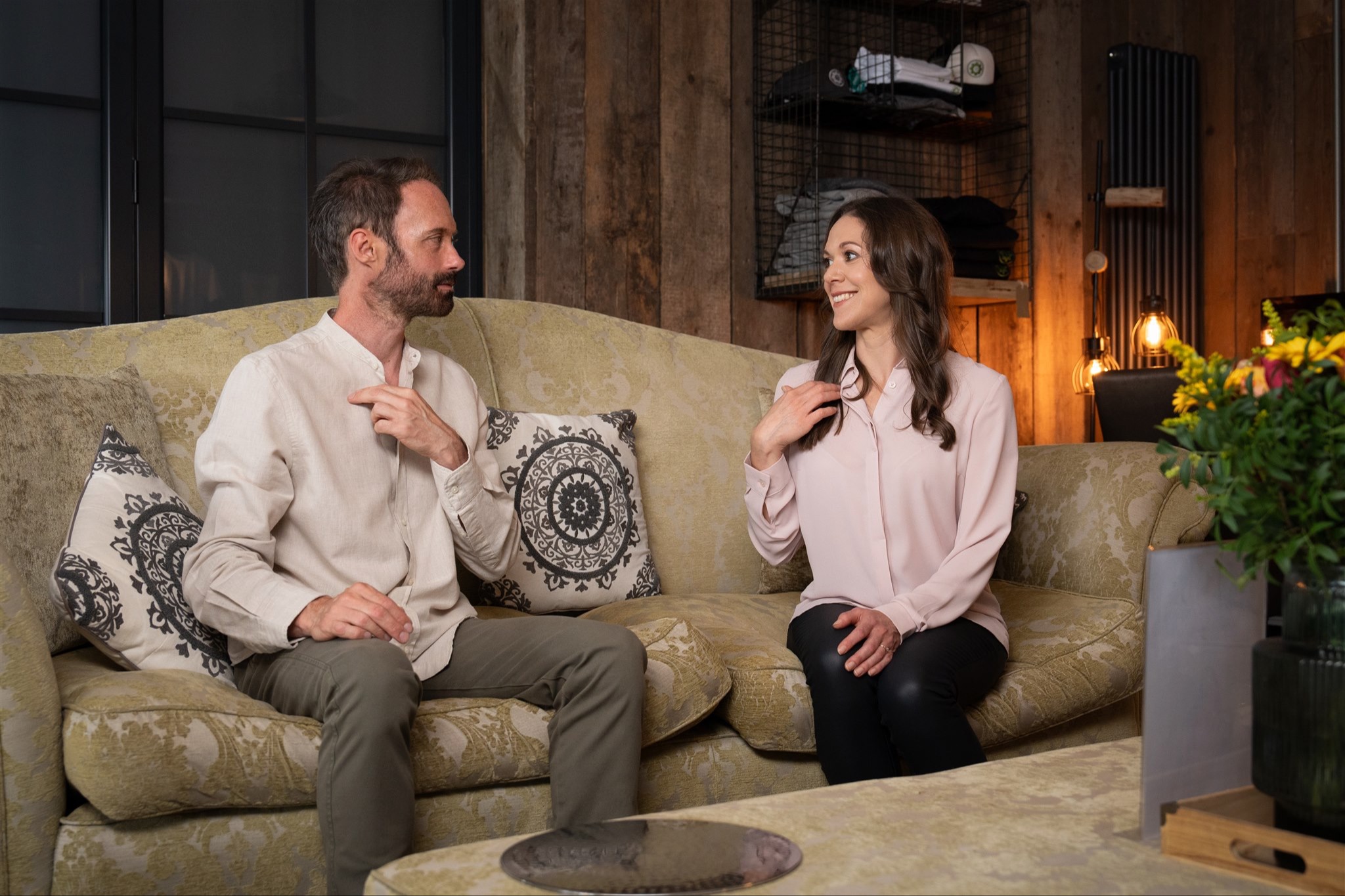
As a psychotherapist trained in Internal Family Systems (IFS) and Intimacy from the Inside Out (IFIO), I guide clients to explore and heal inner parts, disowned or hidden aspects of self to build trust and inner harmony. This process enhances self-awareness, reduces internal conflicts, and makes genuine self-love and self-acceptance more accessible.
Parts work therapy is a mindfulness-based therapy model that views the mind as made up of multiple parts, each with its own voice, role, and memory. It also believes that we all have Self energy, which is our core, compassionate observer. Listening to and validating these parts helps reduce internal conflict and restores harmony.
Most of us have experienced some form of trauma at some point in our lives, and we carry these wounds deep within ourselves, wounds that we often work hard to keep hidden from others.
Parts manifest in a developmental sequence throughout life, with their own personalities, temperaments and a full range of feelings.
As we drop into our bodies we can start to notice the feelings, thoughts, and sensations of our parts, as we listen to them and hear their motives, we realise that regardless of their behaviours, our parts want for us what we want, connection, validation and love.
The goal of parts work therapy is to get to know our core Self and heal our injured parts so that we can live with confidence, curiosity and compassion.
When we embody more Self energy and listen to our parts rather than try to ignore them we gain clearer insight into our problems as we can trace the trajectory of our own feelings and emotional histories with more clarity and understanding.
RE-WIRE - TAP AND TALK
As a psychotherapist trained in Emotional Freedom Technique, I use tapping on acupressure points to help process triggers, release emotional blocks, and transform limiting beliefs.
EFT has its roots in Eastern philosophies, particularly acupuncture and has a profound effect on calming the nervous system and lowering cortisol the stress hormone.
EFT is a very simple practice and is based on two principles Tap on certain meridian points, while you Talk (or think) about the issue you are wanting to work through.
Tapping on certain meridian points has been shown to have a powerful impact on the way the brain responds to stress and the way it processes emotions.
As we tap on specific acupressure points on the face and upper body while we recall a traumatic memory or triggering situation, we provide a soothing physical cue that helps calm the nervous system.
This pairing of a traumatic memory with a soothing physical stimulus often breaks the power of that memory, reducing its emotional intensity.
This allows us to change the distressing memory or self-limiting belief or behaviour.
Tapping signals to the body that we are safe, and so the conditioned loop is broken. After tapping on a specific problem, the nervous system no longer associates the memory with stress and the emotional intensity of that memory is released.
We often have surface emotions like frustration, stress and overwhelm, that are covering up deeper emotions like rage, anger, fear, and sadness. As we dive deeper into your personal story we can heal these deeper emotions, bringing more peace and clarity to your life.
What is Trauma Informed Yoga
Trauma Informed Yoga is an individualised practice that works at a slower pace than typical yoga classes to allow you the opportunity to rebuild a connection with yourself and to feel safe in your body again.
Trauma Informed Yoga uses invitational language instead of strict instructions and commands to allow you to listen to your own body and forge a more self-aware relationship with yourself. This also allows you to make choices about how you move your body so you can regain a sense of control over it.
In trauma informed yoga the focus is on connection to one's body and not on achieving the right pose or getting to a certain level of flexibility and strength. It is a grounding practice with less emphasis on the poses themselves.
There is also a greater focus on breathwork to help regulate the nervous system. It is scientifically proven that gentle movement, and a focus on the breath activates the parasympathetic nervous system, which helps to reduce the fight flight response, and allows you to be more present and aware of your body.
Responding instead of reacting is the key to emotional regulation, and we know from research that yoga and meditation help people to access that pause that will allow you to respond, in any given moment, rather than react.
By integrating Trauma Informed Yoga into my one-to-one therapy sessions I provide you with a safe and supportive way to reconnect with your body, release trauma, and develop emotional resilience.
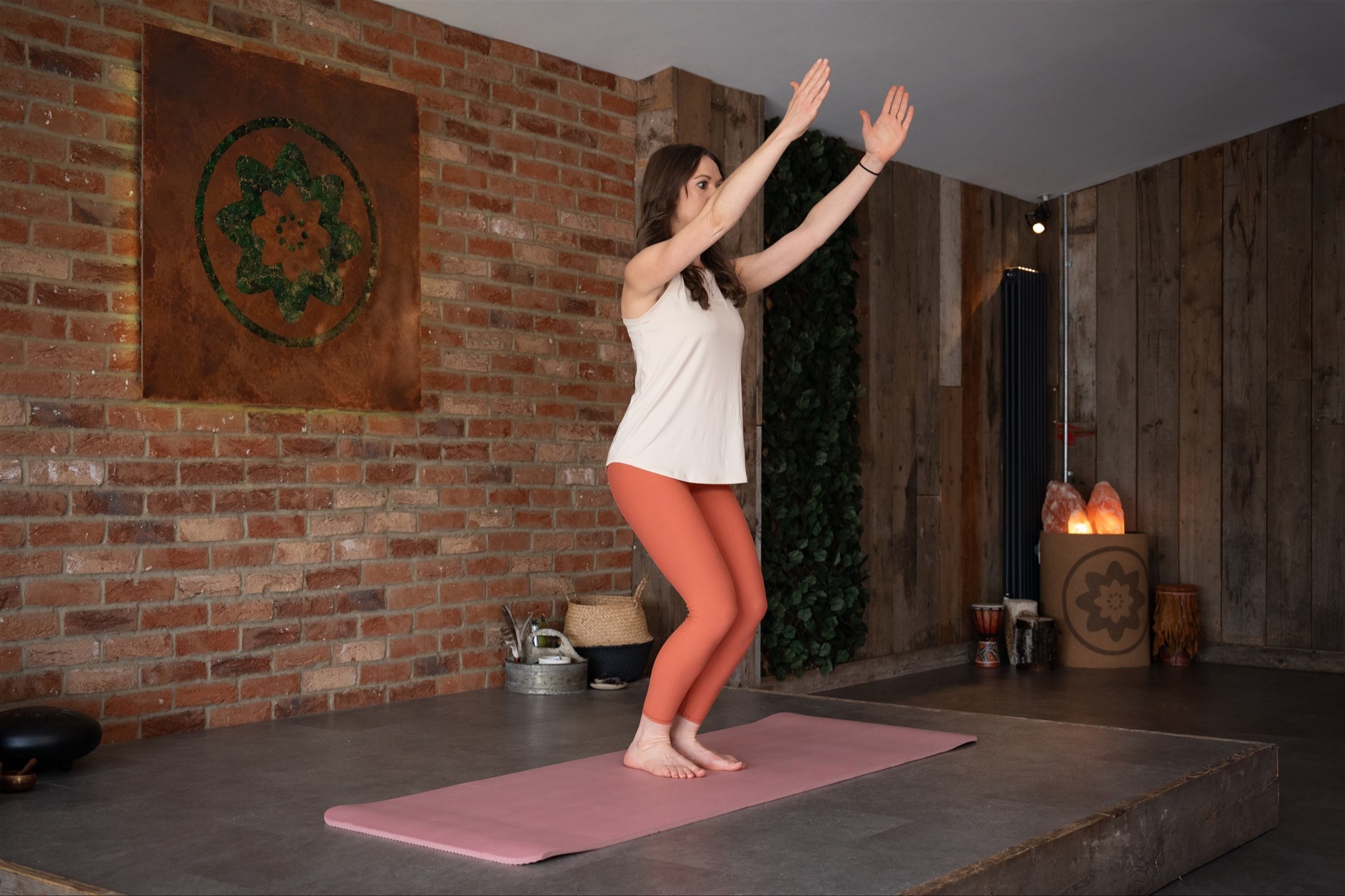
Trauma Informed Yoga: The Three Phases
There are three phases to a trauma informed yoga programme. The first phase is the stabilisation phase, the second phase is the processing phase, and the final stage is the integration phase.
The Stabilisation Phase
The main purpose of the stabilisation phase of trauma informed yoga is to build your capacity to feel safe.
In today’s fast past world a lot of our bodies get stuck in fight/flight, the amber zone, or in freeze, the red zone and we are rarely able to access the green sattvic state of social engagement, connection and safety. We often move from a hyperaroused state (fight/flight) to a hypoaroused state (freeze) and back into a hyperaroused state (fight/flight).
When we get stuck in the amber/red zone, our body is continually flooded with cortisol and adrenaline. Our bodies need to be in a state of rest and digest to heal. If we cannot access this state, over time the continuous activation of the systematic nervous system can lead to serious health problems and a weakened immune system.
This off-balance state in the nervous system is called a dysregulated nervous system.
In the stabilisation phase of trauma informed yoga, we want to help you learn how to regulate your nervous system so that balance can be restored.
A healthy autonomic nervous system is fluid, bouncing between the green and amber/red zone.
The aim of the stabilisation phase is to help you reconnect with your body and move from a state of survival into a state where you can heal.
By teaching you how to slow down and pay attention, you can start to recognise what is going on inside and learn how to map your own nervous system so you can identify when you are in ‘safe mode’ and when you are in ‘survival mode’.
By understanding your nervous system, you can learn to select appropriate tools for self-regulation, so when you are being triggered, you are able to bring yourself back to a safe, grounded place.
The stabilisation phase helps you develop:
- Awareness of current state – embodiment
- Ability to recognise where you are on the autonomic nervous system hierarchy
- Yoga tools to help you regulate your nervous system
- Opportunity to reflect on your own values
- Develop a wider window of tolerance therefore increase resilience
- Learn how to be in or bring yourself back to a ‘safe mode’
The Processing Phase
The main aim of this phase is to help you remain in or quickly return to your window of tolerance.
The window of tolerance is a concept that was originally developed by Dr. Dan Siegel MD to describe the optimal zone of ‘arousal’ for a person to function in everyday life. When a person is operating within this zone or window, they can effectively manage and cope with their emotions.
If you have experienced trauma, it is often difficult for you to regulate emotions and the zone of arousal where you can function can become quite narrow.
Once you have a good foundation in the stabilisation phase we can start learning how to process emotions safely.
When you are recovering from trauma, the stress of a traumatic memory or trigger can push you out of your window of tolerance. Even seemingly minor stresses can cause you to dissociate, get angry, or feel anxious, leading to a state of hyperarousal or hypoarousal.
The processing phase helps you:
- Experience emotion without triggering an overwhelming survival response
- Remain present while experiencing challenges
- Have a positive experience of facing a challenge within the presence of another person
- Rediscover playfulness
- Increase ANS resilience
- Strengthen neural pathways back to Ventral
- Engage in mobilisation and immobilisation without triggering the survival response
- Increase response flexibility
The Integration Phase
The main aim of this phase is to transition into post traumatic growth.
This is the closing phase of the trauma informed yoga journey. This is a reflective time where you look back on your journey, your growth and your progress.
During this Phase we look at what you will take forward with you as a regular practice, and what tools you will choose to use for your in the moment self-regulation.
This is a time to honour your journey and look at the healing that has taken place.
Bespoke One-to-One Sessions
In our one-to-one sessions I offer three ways of working with the Integrated Self-Framework, option one is to spread the modalities over multiple sessions, this allows us to dive more deeply into your issues without triggering nervous system overwhelm. These are tailor made one-one sessions that are led by you. Option two is to integrate all three modalities into one session, this is best for times when you are feeling well-resourced, grounded, and have built a strong rapport with me. Option three is to use the Trauma Informed Yoga framework and work through the three phases of the programme in combination with psychotherapy sessions using parts work therapy and EFT.
Option One: Using the Integrated-Self Framework Over a Number of Sessions
Re-Root Session - Trauma-Informed Yoga Focus: Dedicated sessions for somatic processing. Because parts work and EFT can bring up cognitive and emotional insights, a dedicated trauma-informed yoga session allows your body to physically regulate, release residual muscle tension, and build a safe connection to your physical form.
Re-Connect Session - Parts Work Focus: Use these sessions to map out your internal system. Identify different "parts" (e.g., a protective part causing anxiety or a wounded part holding old pain). The goal here is to establish compassionate communication with these parts.
Re-Wire Session - EFT Focus: Bring the identified part into an EFT (Tapping) session. You can tap on behalf of the distressed part (e.g., "Even though I feel scared of abandonment, I deeply and completely love and accept myself and this younger part of me") to release its emotional charge.
Option Two: Combining All Three Modalities In a Single Session
Typical Flow to a Combined Session:
Beginning - Grounding (Trauma-Informed Yoga): Start with 10–15 minutes of gentle, trauma-informed movement, breathwork, and body scanning to settle your autonomic nervous system and bring your awareness to the present moment.
Middle - Identifying (Parts Work): With a calm nervous system, I will guide you into "Self-energy" to talk to a specific part of yourself that is currently holding pain or stress. You identify exactly what that part is feeling and why.
Ending - Releasing (EFT & Yoga): Once a part and its emotions are identified, I introduce EFT tapping to actively discharge the emotional block connected to that part. I then close the session with a final grounding yoga posture to integrate the shift.
Option Three: Combining Psychotherapy with the Phases of Trauma Informed Yoga
The Stabilisation Phase:
Regulates the Nervous System: TIY introduces breathwork and grounding poses that immediately lower hyperarousal (e.g., anxiety, fight/flight responses). When paired with therapy, these somatic tools give you a safe, self-soothing toolkit to use when triggered.
Rebuilds Body Safety: Trauma often causes dissociation or a sense of betrayal by one's own body. Practicing yoga in a stabilised, safe therapeutic environment allows you to gently re-engage with physical sensations without being overwhelmed by trauma triggers.
The Processing Phase:
Somatic Release: Deeper trauma and preverbal memories are often stored in the body, not just in the mind. As psychotherapeutic processing unlocks memories, TIY offers a physical outlet for releasing the resulting emotional tension and blocked energy.
Bilateral Integration: Certain yoga movements that cross the midline or involve slow, alternating sides can help stimulate both brain hemispheres. This process mimics techniques like EMDR (Eye Movement Desensitization and Reprocessing), aiding the brain in safely re-coding and digesting traumatic memories.
The Integration Phase:
Embodied Cognitive Change: Without somatic integration, therapeutic breakthroughs remain purely intellectual. Using yoga alongside the later stages of therapy ensures that positive self-concepts and emotional resilience become physically internalised and natural.
Prevents Relapse: You learn to detect early warning signs of stress or triggers in your body (such as muscle tension or shallow breathing) before these sensations escalate into emotional crises or flashbacks.

Integrative Psychotherapy: A Journey to Wholeness
Integrative Psychotherapy is a holistic approach that blends traditional talk therapy with somatic practices, emphasising the vital connection between mind and body. This method acknowledges that emotional and psychological challenges often manifest physically, and by addressing these bodily sensations, you can unlock deeper healing and personal growth.
By engaging with our 3-part Integrated Self Framework (ISF)—Re-Root, Re-Connect, and Re-Wire—you will embark on a transformative journey, gaining:
- A Holistic Understanding of Your Emotions and Behaviours: Learn how your thoughts, feelings and emotions impact your behaviour.
- Enhanced Emotional Regulation: Develop tools to manage your emotions effectively and bring in a deeper sense of calm and clarity to your life.
- A Deeper Exploration of Trauma: Safely navigate, explore, understand and heal past trauma's.
- Improved Self-Awareness and Compassion: Deepen your understanding of yourself, and improve your relationship with yourself and with others.
- Strengthened Relationships: Build stronger connections with others as you develop your emotional literacy.
- A Tailored Therapy Experience: Enjoy a personalised approach to therapy that meets your unique needs and goals.
- Empowerment and Agency: Reclaim your power and make choices that align with your true self.
- Long-Lasting Change: Experience a profound transformation that changes the way you see and live your life.
Join us in this transformative process and discover how our one to one sessions can guide you towards deeper healing, greater self awareness and a happier more authentic you! Start your journey to wholeness today!
"Your relationship with yourself sets the tone for every other relationship you have."
ROBERT HOLDEN
Sign Up To Our Introductory Session
This session is an opportunity for us to get to know each other, we’ll create a safe space for you to explore your hopes for therapy, discuss current life and relationship struggles, and examine how your early life has shaped your current experience.
Start Your One-to-One Therapy Sessions
In these one-to-one sessions I use a combination of Psychotherapy (talk therapy), Trauma Informed Yoga Practices, Parts Work Therapy and Emotional Freedom Technique (EFT) to help you work through your current life and relationship issues.
Transform Your Life
Our goal with our one-to-one therapy sessions is to help you connect into yourself and get to know yourself better so you can approach life with more confidence and clarity, feeling more assertive, empowered and able to get your needs met.
Frequently Asked Questions
ALL YOUR QUESTIONS ANSWERED HERE
What exactly is this approach?
What is Emotional Freedom Technique (EFT), and why is it included?
How does this differ from a regular yoga class?
What is parts work therapy, and how does it fit in?
Do I need prior yoga experience?
What should I wear?
How does yoga help with trauma?
How long does it take to feel results?
Will I be forced to talk about my trauma?
How many sessions will I need?